The table describes published functions, not a completed customer journey. Exact ticker and account eligibility may differ. A small investment can be sensible at one provider and expensive at another because fixed fees, currency conversion or a paid service level interact with order size. The AFM's investment-cost explanation separates broker service costs from costs inside a product.
Where each route helps and confuses
Lightyear: a narrow ETF starting task
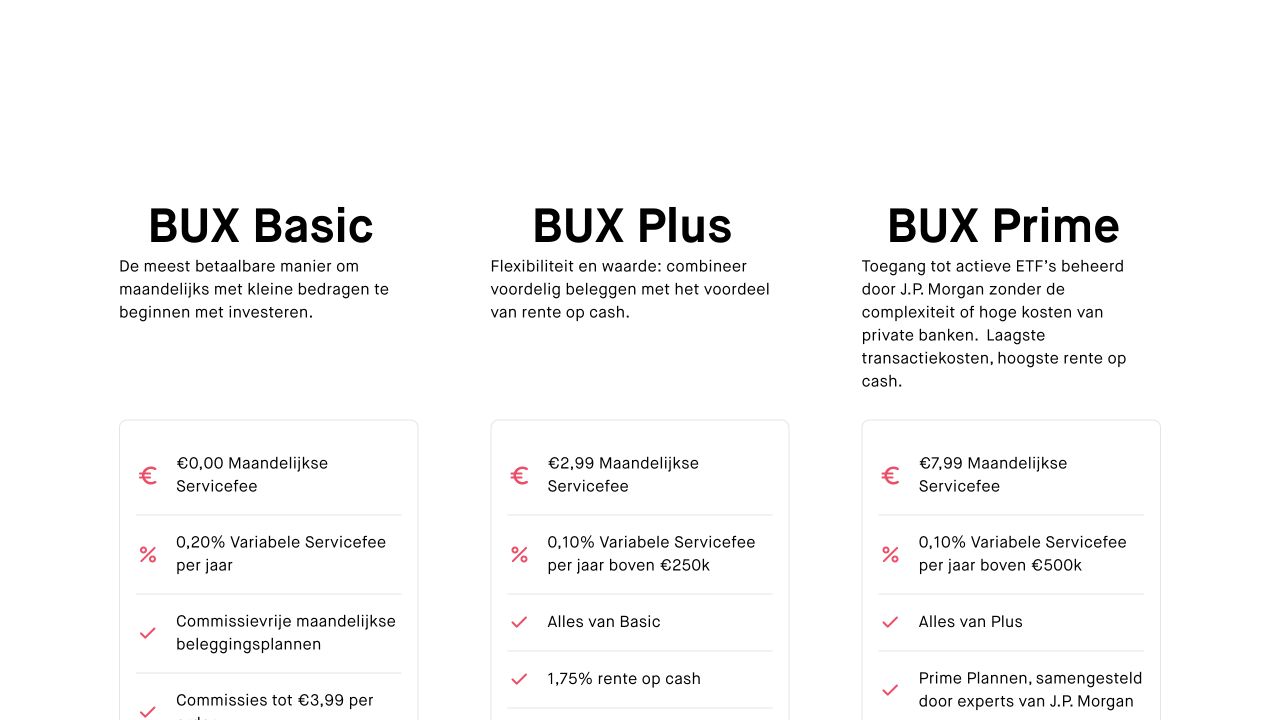
Lightyear's service-area page lists the Netherlands and Lightyear Europe AS. Its ETF help page explains the eligible fund universe, KID and fractional availability, while the Plan instructions say automatic purchases require a fractional instrument. This combination is a documented route for someone who has already selected an eligible ETF and wants a repeatable purchase. The limitation is that a “Plan” can include asset types beyond ETFs, and not every fund can be automated. The Dutch fee page lists FX separately. An ETF's own expense also remains. See the Lightyear review for account scope.
Trading 212 Invest: automate a chosen security, identify the account
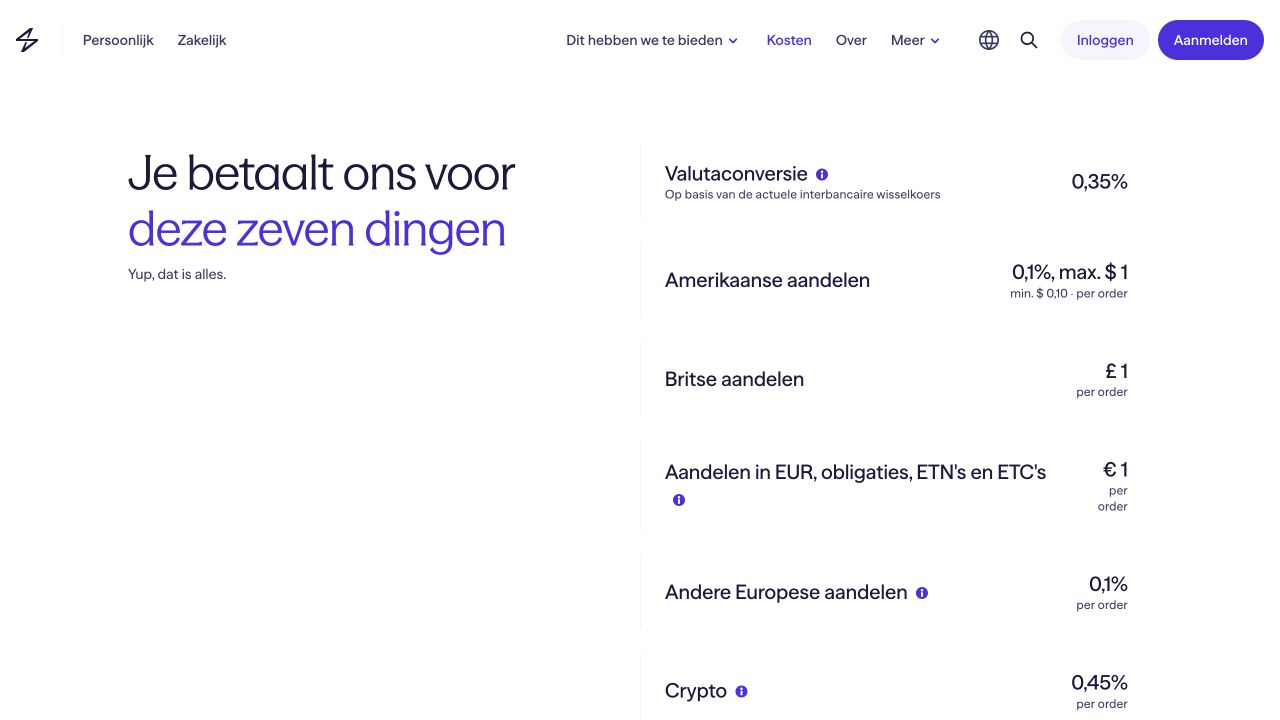
Trading 212 explicitly assigns a Netherlands applicant to Trading 212 EU GmbH. The Pies and AutoInvest help describes scheduled purchases, including a single eligible instrument. This may suit a first investor who wants a defined share or ETF and a consistent amount. The important product check is that Trading 212 also operates a CFD service. The beginner scenario here is the Invest account. Its Invest fee explanation distinguishes provider commission from FX and external charges. Do not import UK ISA or SIPP rules into a Dutch account merely because that help page discusses them together. Our review will separate the two product routes.
Scalable Capital: recurring investment with venue conditions
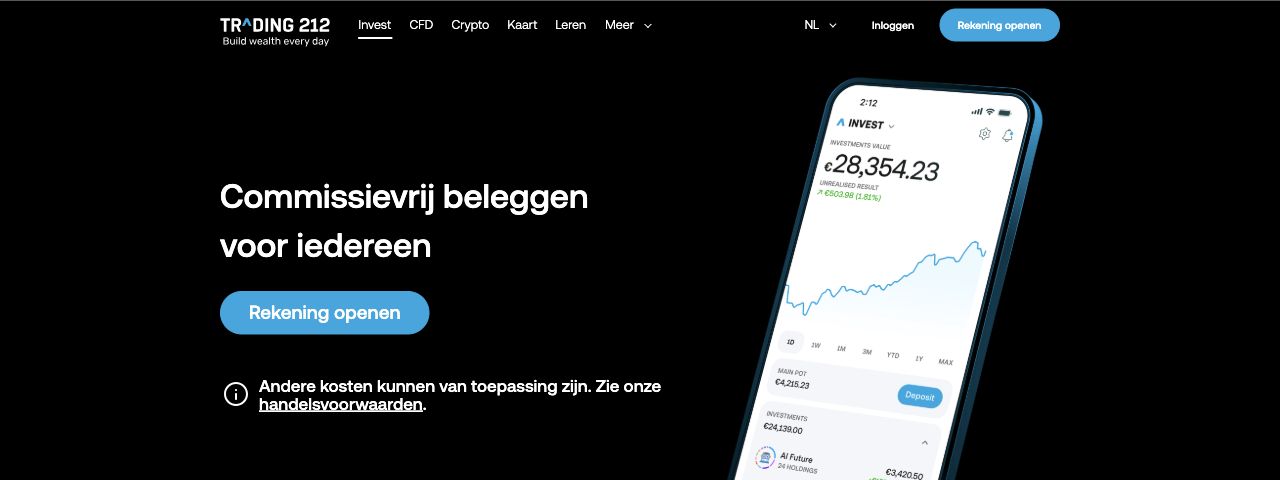
Scalable's Dutch plan explanation says an investor can specify a regular amount and that fractional units may be bought. Its Dutch fee page separates the FREE and PRIME+ models and shows where a plan differs from a manual order. The current entity FAQ identifies Scalable Capital Bank GmbH. It can suit a reader who has chosen a supported ETF and values an automatic plan. The limitation is that the execution venue, order size and product expense still matter. “free plan execution” is not the same as every manual stock order being free. Confirm the ISIN and venue in the app before scheduling.
BUX: an app plan with tier-dependent choices
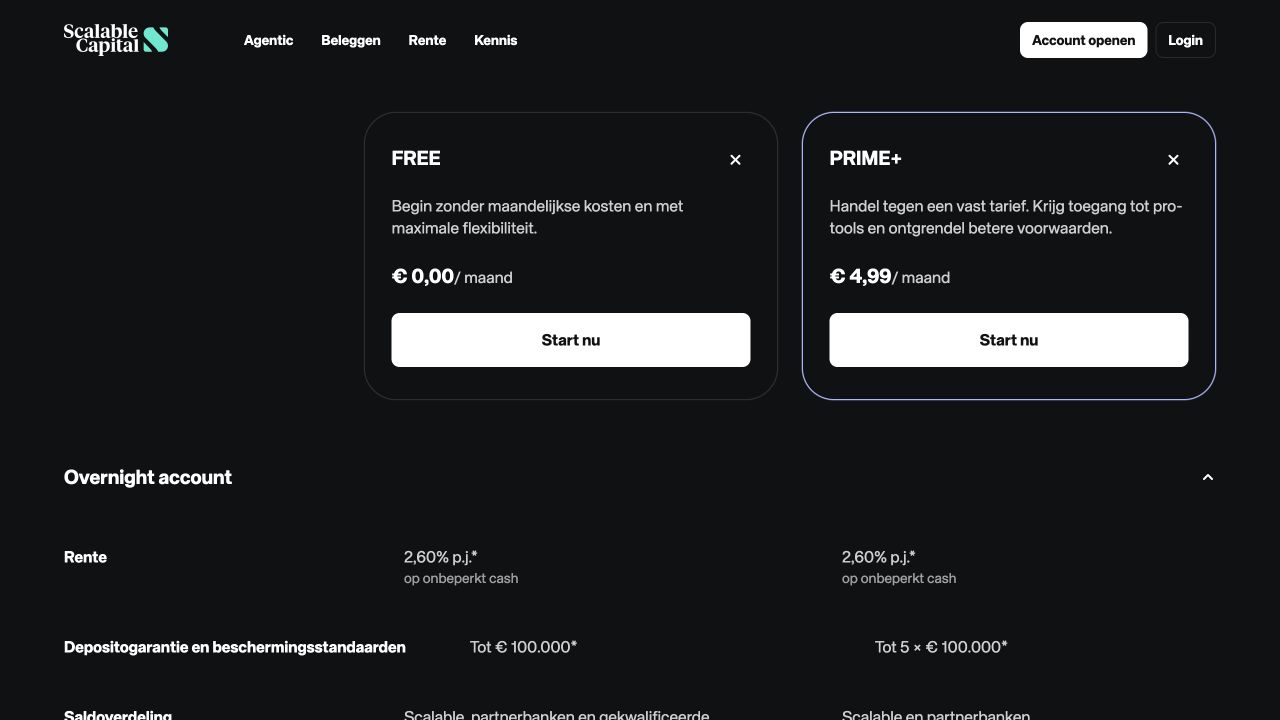
BUX B.V. states it provides share and ETF investment services, and its Dutch site describes investment plans. This is a relevant route for a reader who intends to make a small, regular purchase in a supported instrument. The Dutch schedule distinguishes Basic, Plus and Prime, as well as plan, market and limit orders. Its order-type help explains that availability can vary by instrument. A beginner must therefore compare the tier and the order they would actually use. A plan's purchase fee does not describe a later sale or a manual order. Avoid upgrading merely for a label without modelling the year.
The current Dutch pricing page also lists a 0.20% annual variable service fee on Basic, a €2.99 monthly service fee on Plus and a €7.99 monthly service fee on Prime, with additional tier conditions. Those service charges need to be included when modelling an annual holding and order pattern.
Trade Republic: recurring orders versus a separate one-off price
Trade Republic's supported-country help lists the Netherlands. The Dutch help flow describes creating a plan for a selected share or ETF, while the price page separates plan execution from a one-off order and names external costs and spreads. This can be suitable when the main task is an automated purchase of a supported security. The limitation for a new investor is that a low fixed one-off charge says little about execution price or the product's own cost. Check the instrument page and order preview, and identify the legal role of Trade Republic Bank GmbH under the Dutch country conditions.
DEGIRO: learn the order and choose the exchange
DEGIRO's Dutch investor academy lesson explains market, limit, stop and stop-limit orders with examples. Its shares page and ETF page show the real-asset route. This is a useful fit for a first investor willing to learn what the venue, ISIN and order type mean. The limiting condition is that the ETF Kernselectie is subject to its published venue and handling terms. An investor should not infer the same price for a different listing. DEGIRO identifies its Dutch operation as flatexDEGIRO Bank Dutch Branch.
Saxo's Dutch platform-demo page lets visitors inspect SaxoInvestor without opening an account. That is useful for a beginner who wants to see the product search and order context before committing. Saxo's Dutch shares page lists Euronext and US shares, and the tariff page separates account levels and a service fee. Saxo Nederland is a Dutch branch of Saxo Bank A/S, according to the same tariff page. A small occasional order should be modelled across a year rather than using the minimum transaction headline. The many products and account levels give choice, but they require more reading than a single-fund plan.
Revolut Invest: a familiar app with separate investment terms
Revolut's investment terms explicitly apply to Dutch residents and name Revolut Securities Europe UAB. Its Dutch ETF page presents small and recurring investments in eligible funds, while the fee help ties charges to the plan and the specific order. The route may feel familiar to someone who already uses Revolut for payments, but that familiarity is not a verified measure of brokerage usability. The investment agreement, product range, subscription cost, conversion and fund expense should be read separately from the bank-account screen. Its commission-free plan treatment does not apply to every share or ETF.
IBKR GlobalTrader: accessible product range, more configuration
Interactive Brokers' country list includes the Netherlands, and its GlobalTrader page presents stocks and ETFs without an account minimum. A beginner who expects to move into multiple markets may value one account with that range. The cost schedule, however, can involve different commission models, currencies and market charges. The official share tariff must be matched to the chosen account and venue. That is more configuration than the first €100 ETF purchase requires. Confirm the legal entity in the actual application rather than assuming every page under the Ireland domain describes the final agreement.
eToro: practice mode with a product boundary
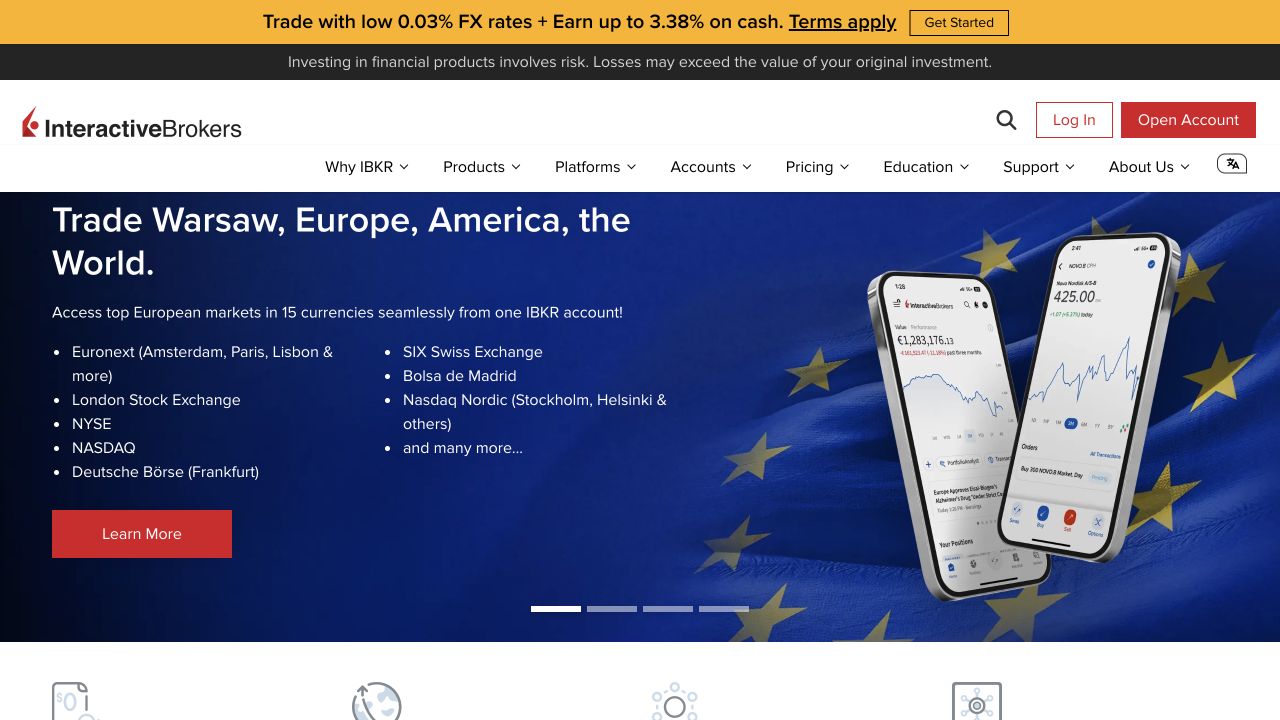
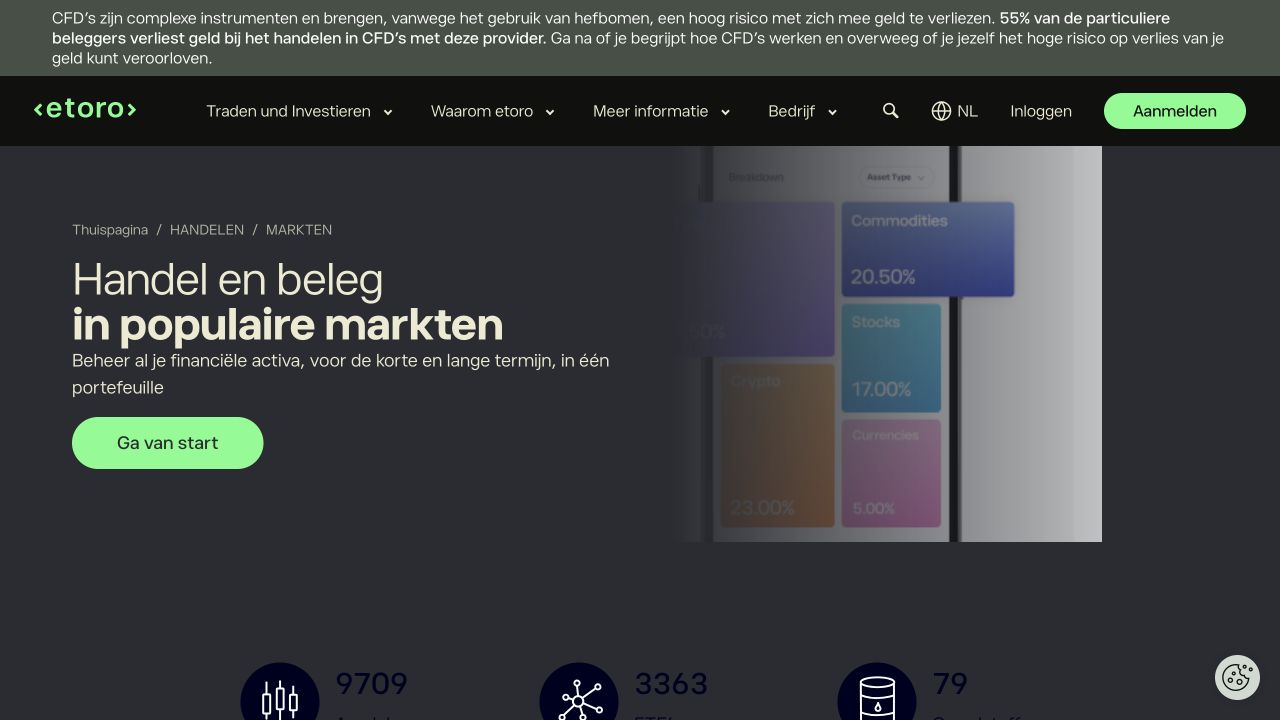
eToro's Dutch demo page describes a virtual portfolio, which can help a user explore the interface. But the Dutch markets page presents both underlying investments and CFDs. Its fee page says some ETF buy positions can be executed as CFDs and marked in the trade window. This is therefore the least straightforward route in this list for a reader whose sole goal is a first real share or ETF, even if practice mode is attractive. Verify the ticket's product label and the execution entity for EUR funding. A virtual order is not proof of real-account price or ownership rights.
A €100 monthly ETF and €500 share scenario
Consider a resident who plans to buy €100 of one euro-denominated UCITS ETF each month and a €500 Dutch share once. Over a year, the ETF route is twelve purchases plus any fund expense. The share route is one order and whatever it costs to hold the account. With a fixed €1 purchase charge on every monthly ETF order, the explicit transaction total would be €12, or 1% of €1,200 invested, before spread and fund expense. That arithmetic is illustrative, not a fee attributed to any provider. The provider's actual tariff may instead distinguish plan execution, manual purchase, venue and account tier.
For the ETF plan, compare only the identical ISIN and purchase schedule. Lightyear's plan rules require fractionability for automation. Trading 212's AutoInvest conditions depend on the selected account and funding method. Scalable's fee page distinguishes plan from manual orders. BUX's tier schedule changes the service-fee calculation. Trade Republic's NL page says external costs and spreads can remain. An ETF's fund-level expense is separate under the AFM cost framework.
For the Dutch share, check whether it is actually offered on Euronext Amsterdam or another venue, then compare the estimated purchase charge and bid–ask price. A provider may present a one-off order differently from a plan purchase. If the investor instead chooses a US share, add conversion from euros and any FX markup. This can outweigh a small stated commission. We do not present a single cross-provider total without the same instrument, live quote, funding route and account tier for every candidate. The practical result to record is the pre-trade amount in the exact order ticket plus any annual charge or fund expense that ticket cannot display.
A first-order checklist
- Write the goal and the exact security, including ISIN and desired exchange. Decide whether it is a real share or a UCITS ETF rather than a derivative.
- Check the provider's Netherlands eligibility and the company named in the agreement. Use our broker-verification guide to interpret the AFM register.
- Look up the instrument and read its product details. An ETF's KID and ongoing expense answer different questions from the broker tariff.
- Choose a market or limit order deliberately. A limit can control the maximum purchase price but may not execute. The DEGIRO educational explanation illustrates the difference.
- Read the final order preview: product label, quantity or fractional amount, venue, estimated total, FX and any recurring instruction. If the screen does not answer those questions, do not infer the answer from a marketing page.
- After execution, keep the confirmation and annual documents. Dutch tax reporting and dividend withholding require records. Our investing-tax guide explains which categories to collect.
If the app's final screen differs from its published description, the actual order preview and agreement take precedence for the customer's decision.
Frequently asked questions
Is a free ETF savings plan free to own?
No. A plan may have no broker execution commission while the ETF has its own ongoing expense and the transaction still has a bid–ask spread. Currency conversion, tier or account charges may also apply depending on the account.
Are fractional shares the same as full shares?
The economic exposure can be proportional, but legal and transfer arrangements differ by provider. Read the account terms. For example, Lightyear explains its fractional-share co-ownership structure. A fraction also may not be eligible for every order type or transfer.
How do I know whether an order is a real share or CFD?
Read the product name and the final ticket, not just the chart. EToro says its CFD transactions are marked in the trade window, and Trading 212 separates Invest and CFD accounts. If the contract is a CFD, you do not acquire the underlying share.
Should I choose the first route in this table automatically?
No. The order fits a specified small real-security purchase and documented features. Your chosen ISIN, preferred venue, language, need for a joint account and expected order pattern can change which service fits. The overall broker page weighs a broader set of tasks.


 Lightyear
 Trading 212 Invest
 SaxoInvestor
 IBKR GlobalTrader
 eToro