The entities in the table are the documented routes relevant to a Dutch resident, not a substitute for the agreement displayed at signup. The AFM investment-firm register helps distinguish a Dutch authorisation from a firm using an EEA passport. It does not confirm a particular ETF or plan. Before funding an account, check the actual customer agreement and the instrument's ticket.
How each route fits a monthly investor
Trade Republic: an eligible plan with simple recurring execution
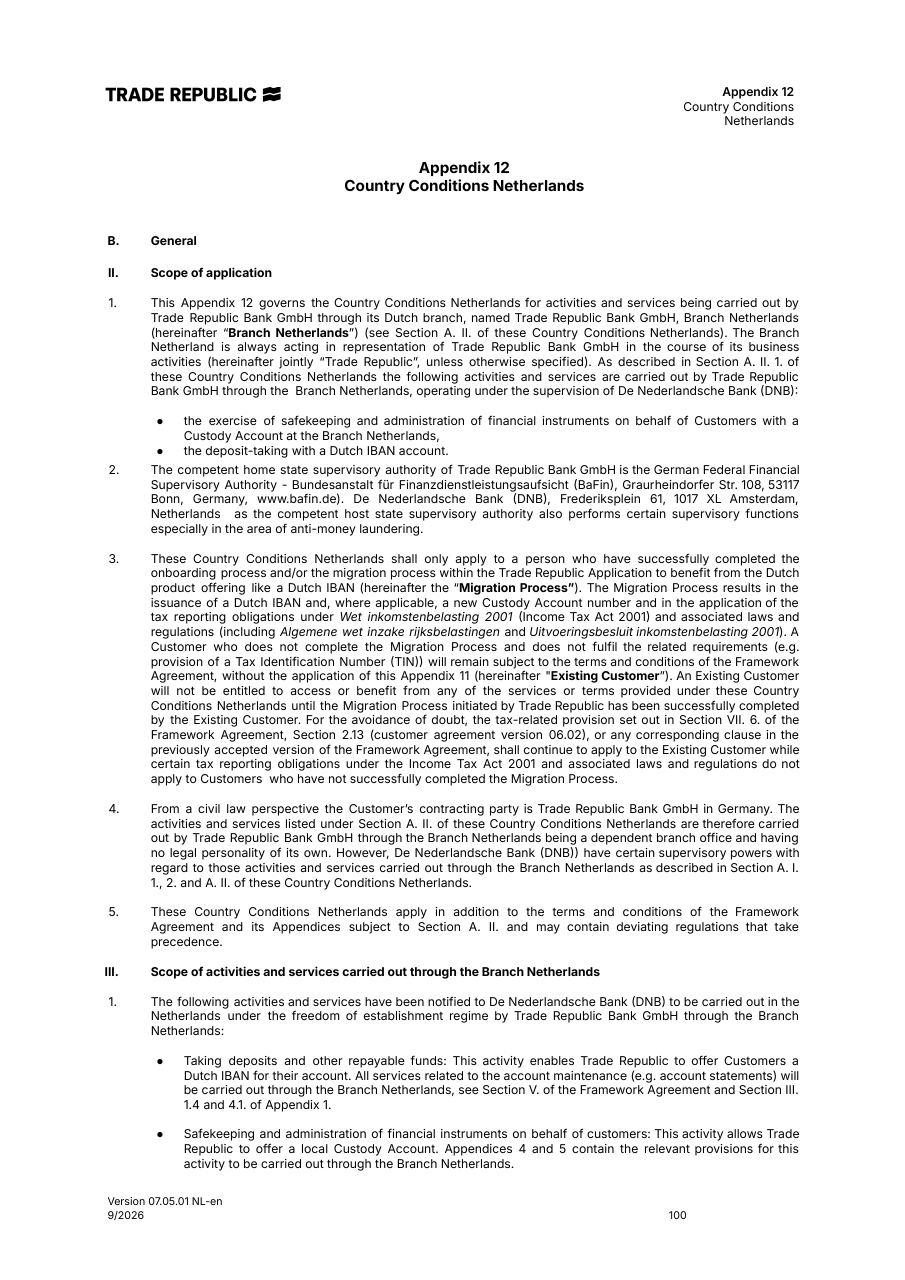
Trade Republic's Dutch pricing page distinguishes ETF savings-plan execution from a one-off order, for which it lists a settlement charge and also notes spreads and possible product or third-party costs. Its NL country conditions identify the bank entity. This route fits a person who has found the desired ETF in the plan universe and wants a scheduled purchase without choosing an order instruction each month. It is less suitable when the reader insists on a particular Euronext trading line or wants to set a limit price for every purchase. Search the ISIN, inspect the instrument and learn where the order executes. A Dutch ETF name alone does not resolve those questions.
Lightyear: clear ETF dealing terms, conditional automation
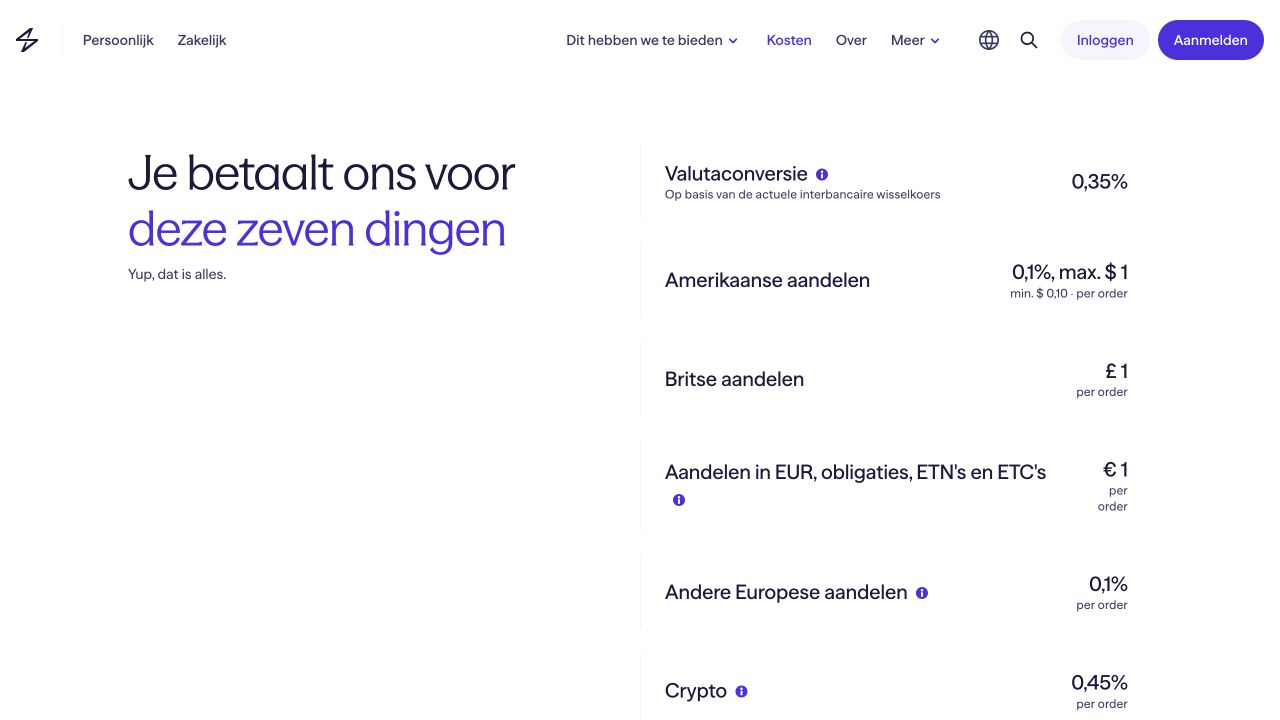
Lightyear's service explanation includes the Netherlands and identifies Lightyear Europe AS. Its ETF help separates its lack of ETF execution charge from issuer-level fund costs. The Plan rules permit recurring investment only for instruments enabled for fractions. A non-fractional ETF in a Plan needs a separate manual order. Lightyear can fit an investor who wants a supported euro ETF and a simple schedule. It is a weaker match if the exact class or trading line is absent, or if the desired fund does not support fractional recurring purchases. Its NL fee page makes currency conversion a separate question when the account lacks the instrument's trading currency. See our Lightyear review.
Scalable Capital: plan access with venue-specific trade rules
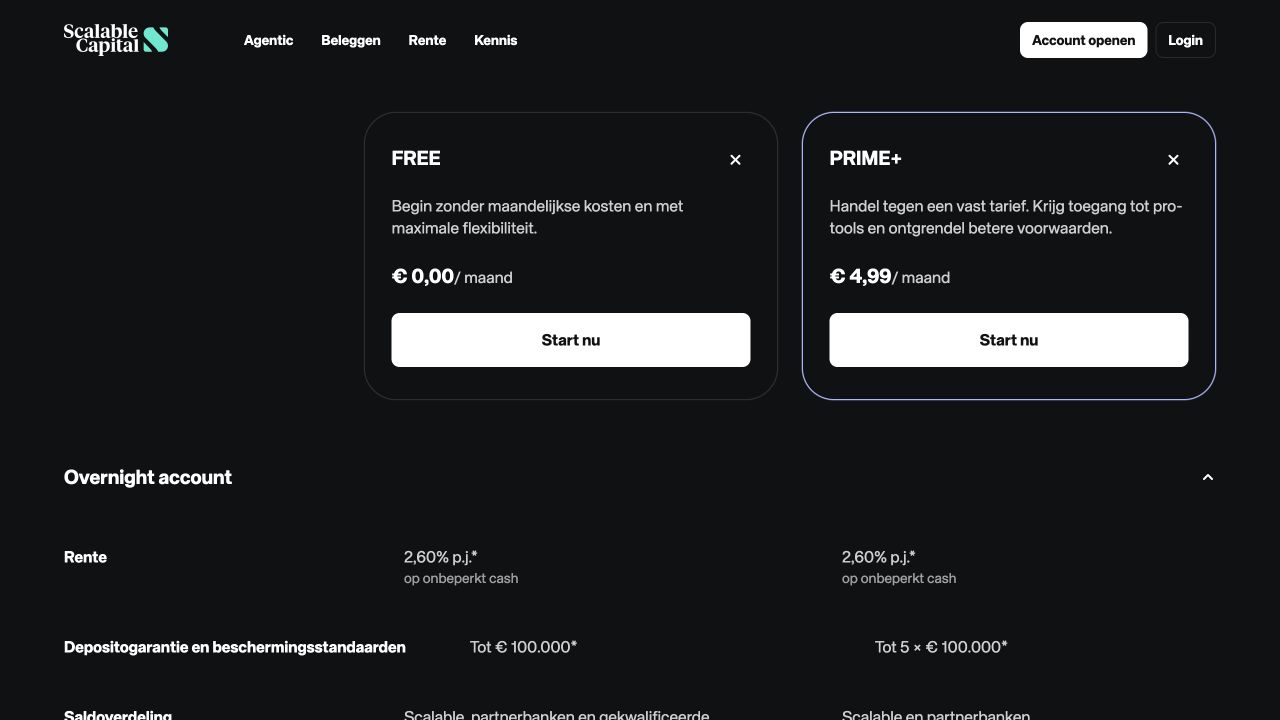
Scalable's Dutch broker page offers ETF savings plans, and its entity FAQ identifies Scalable Capital Bank GmbH. The Dutch cost page distinguishes FREE and PRIME+ and the conditions for ETF one-off orders and plans. This route can fit someone whose chosen UCITS ETF is eligible and who will use supported venues. It is less suitable if the investment decision requires an Amsterdam listing that the account does not provide. Match the ISIN and line, and price the actual one-off amount rather than assuming a plan price applies to a manual trade.
Trading 212 Invest: a single-ETF Savings Plan
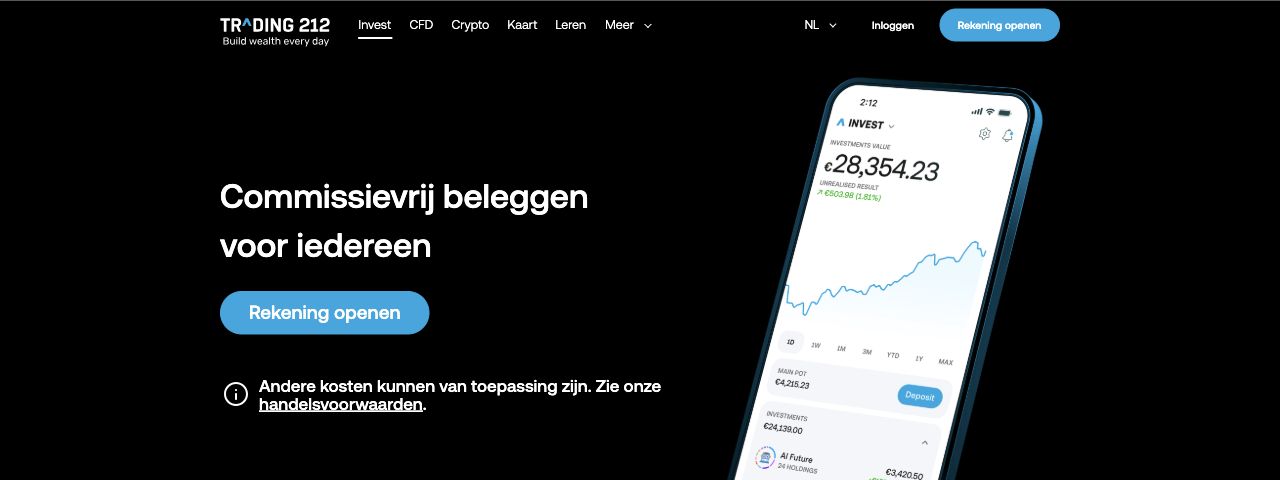
Trading 212's country list assigns Netherlands accounts to Trading 212 EU GmbH. Its AutoInvest explanation says a single stock or ETF can be scheduled and names the EU GmbH implementation a Savings Plan. The Invest fee explanation separates its dealing commission from FX and external charges. This can suit a small monthly amount when the ETF and funding method work for the Dutch account. It is less clear if the plan is assumed to collect by SEPA direct debit: the provider's payments help restricts that method to German residents under the EU entity. Verify the available Dutch funding path before relying on an automatic end-to-end workflow. See our Trading 212 review.
Saxo: a dedicated monthly ETF account workflow
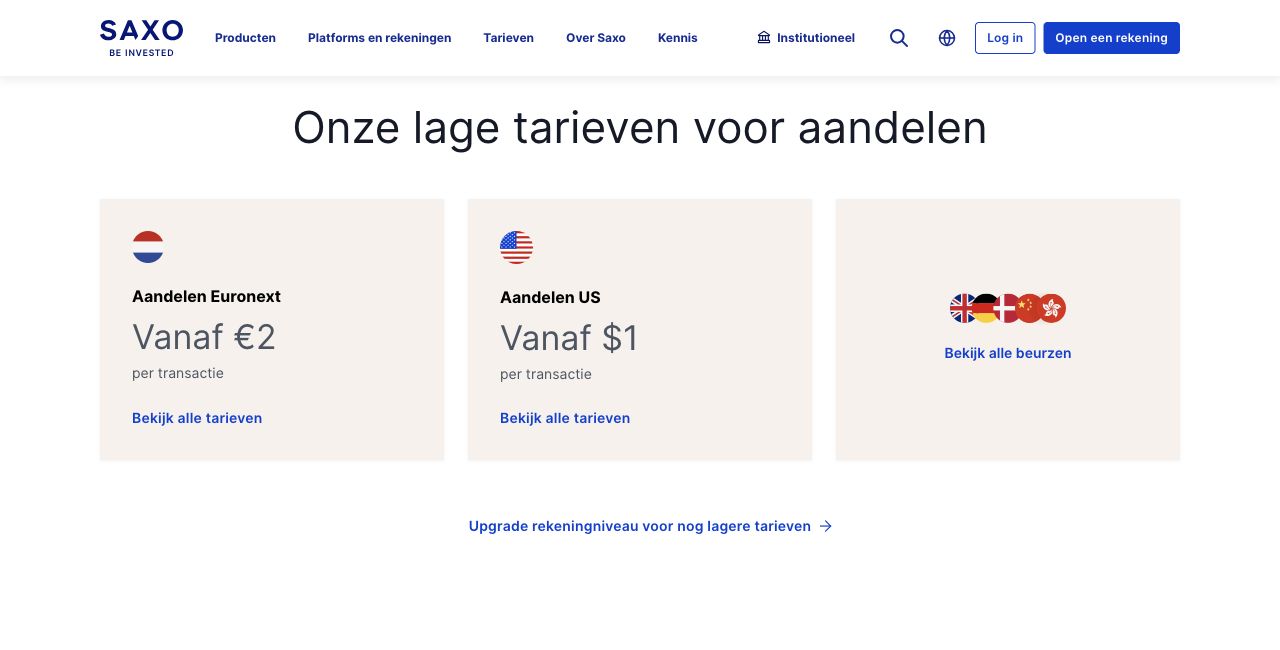
Saxo's Dutch ETF page describes exchange access, and its AutoInvest terms set out the monthly ETF purchase process for the Dutch branch of Saxo Bank A/S. AutoInvest purchases have a different cost treatment from manual ETF buys: the page describes no transaction charge on scheduled purchases, a monthly portfolio service fee, and possible fund, spread and currency costs. It also says the schedule needs sufficient cash and that a fund not enabled for fractional investment may fail when the planned amount is too small. This can suit an investor who wants to divide a monthly amount among eligible funds and use the wider Saxo account. It is less suitable if the service fee or a non-fractional high unit price undermines a small contribution. The Saxo review covers the wider account.
Interactive Brokers: recurring eligible UCITS funds with more controls
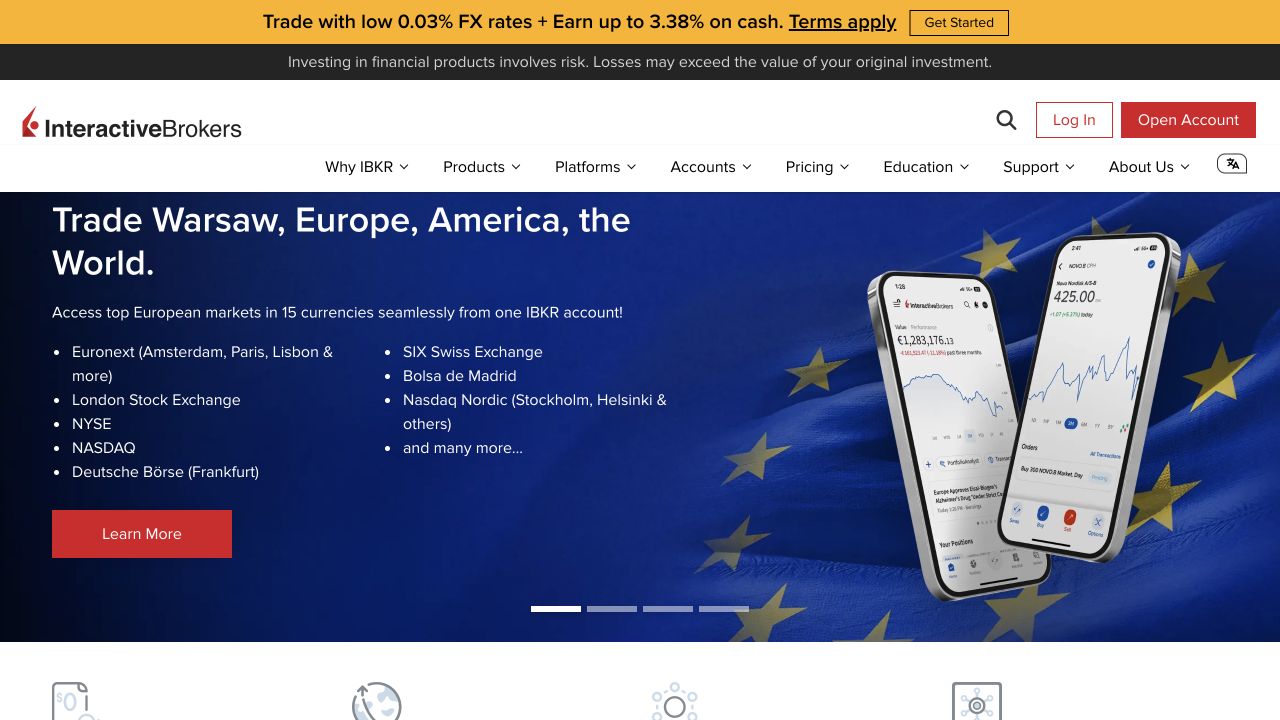
Interactive Brokers accepts Netherlands applicants on its Ireland site, whose sample customer documents identify Interactive Brokers Ireland Ltd. Its European ETF plan page describes recurring purchases of eligible iShares UCITS ETFs, while the ordinary share/ETF commission schedule applies outside the relevant plan terms. This can fit an investor who needs a wide range of venues, currencies and manual order controls as well as an eligible recurring fund. The cost of that flexibility is configuration: identify the agreement shown to the applicant, ETF line, exchange and fee model. A promotional recurring route should not be projected onto every UCITS ETF in the catalogue. Our Interactive Brokers review examines the wider platform.
DEGIRO: manual purchases and a venue-specific selection
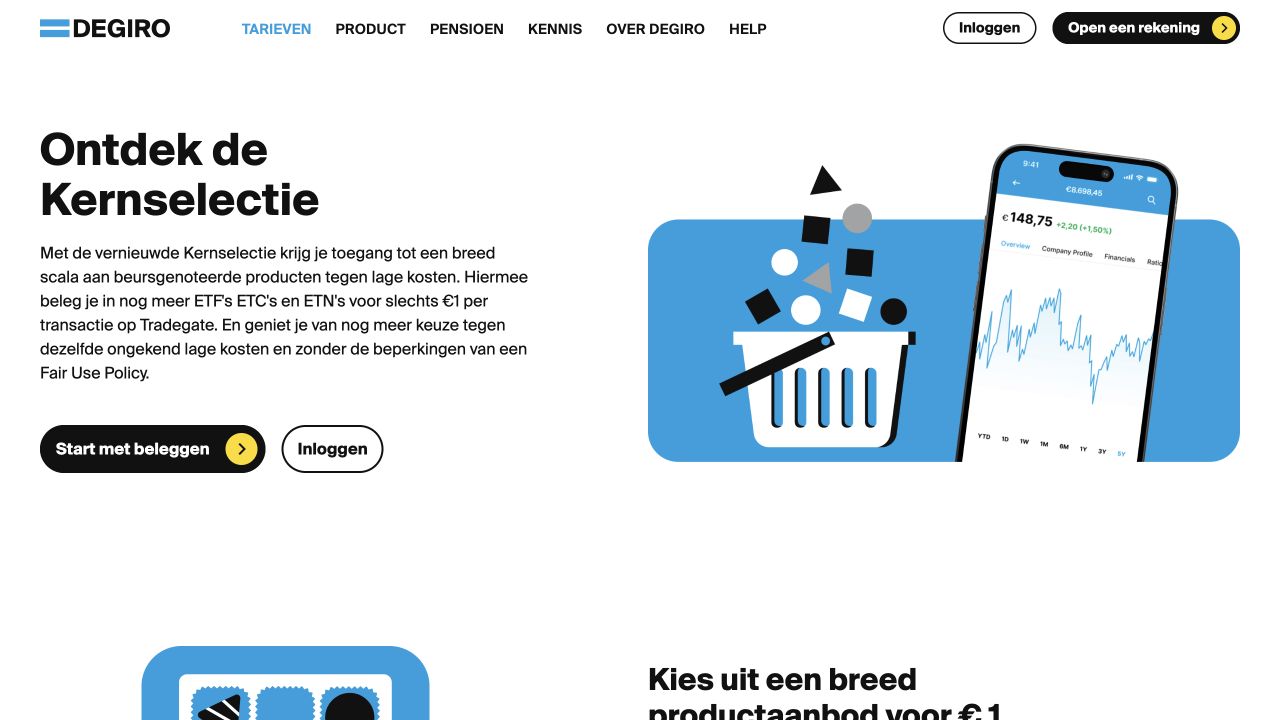
DEGIRO's Dutch Kernselectie page applies its €1-per-transaction offer to eligible ETF, ETC and ETN lines on Tradegate. For this ETF comparison, we count the eligible ETF lines, not the ETCs or ETNs. Its NL tariff schedule lists the ordinary ETF order separately. This can fit a monthly investor comfortable placing each order and checking the exact ISIN and Tradegate venue. It is less suitable for someone who needs a confirmed automatic debit-and-purchase plan. A listing of the same fund on another exchange need not receive the Kernselectie treatment, and the ETF's ongoing cost and the execution spread remain distinct from the broker's €1 handling. See our DEGIRO review.
BUX: plan orders with account-level trade-offs
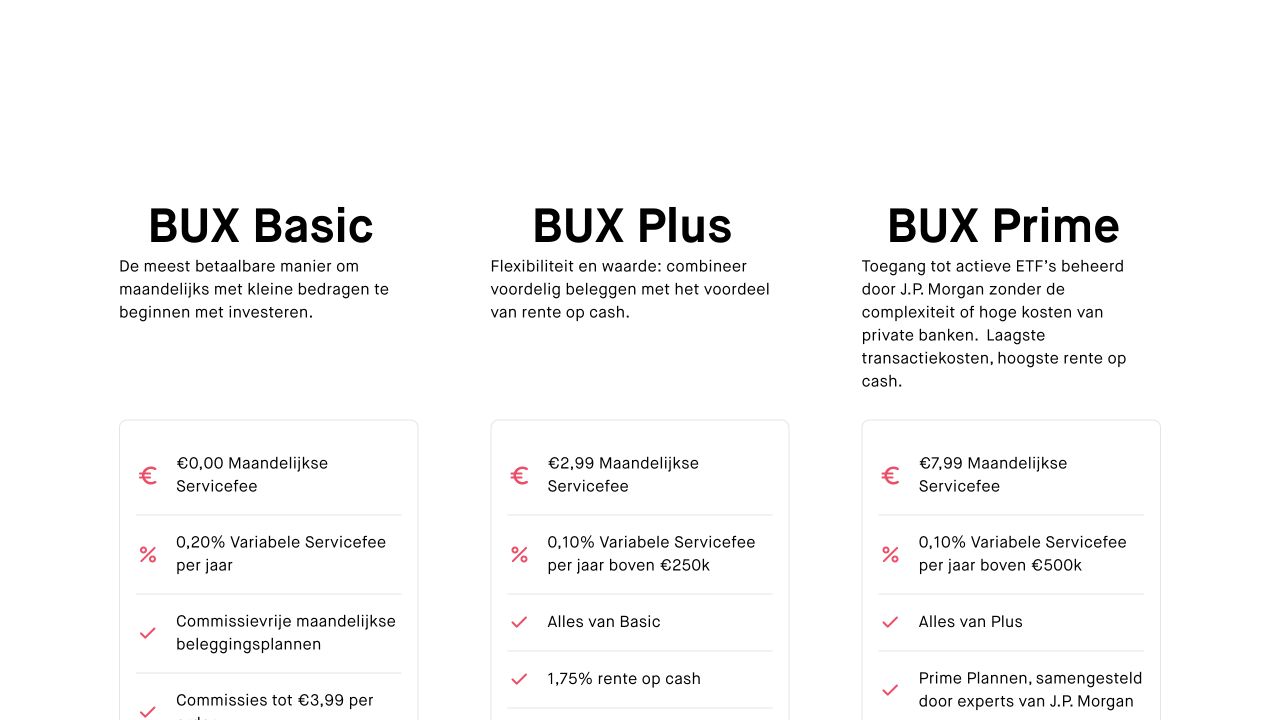
BUX identifies BUX B.V. as its investment firm, and its Dutch service offers ETF investment plans. The NL pricing page distinguishes Basic, Plus and Prime. It lists no commission for an investment-plan buy order, but Basic has a portfolio-based variable service fee and Plus and Prime add monthly charges with different thresholds and order terms. BUX can fit someone who values a predefined app-based plan for supported funds. It is less suitable to compare using only the plan's zero transaction commission: work out the tier cost on the intended portfolio balance and include the eventual sale order. The exact ETF and plan availability still need checking.
The current Dutch pricing page also lists a 0.20% annual variable service fee on Basic, a €2.99 monthly service fee on Plus and a €7.99 monthly service fee on Prime, with additional tier conditions. Those service charges need to be included when modelling an annual holding and order pattern.
Revolut: convenient ETF access tied to plan eligibility
Revolut's Dutch investment terms name Revolut Securities Europe UAB and say that eligible ETP investment-plan buys are exempt from the standard commission, while instrument-related costs may still apply. Its NL ETF page describes fractional and recurring ETF access. This can fit a resident already using the app who finds the intended UCITS ETF in its eligible list. It is less suitable when the fund is not listed or an investor requires a particular exchange line or straightforward in-kind transfer of fractions. The full eligible list and final price are account-specific. Do not infer that every ETF on the platform receives the plan rate. Compare these conditions with the other accounts on this page.
Swissquote Bank Europe: a bank account for wider securities trading
Swissquote Bank Europe's Luxembourg Trading Account offers stocks and ETFs through a multi-currency account. Its EU bank rate card lists stock and ETF markets including the Netherlands, a standard minimum commission, conversion terms and transfer-out charges. This route can fit a holder who wants a bank-style multi-market account and can accept those ticket economics. It is a weak fit for a €100 monthly ETF order under the ordinary tariff, and we did not find a general automated ETF savings plan in the reviewed EU bank documents. Swissquote's Swiss bank and Cyprus CFD service are different entities. Their terms must not be used for the Luxembourg account. See our Swissquote review.
One-off versus monthly cost worksheet
Consider the same fund share class, ISIN IE00B4L5Y983, on DEGIRO's eligible Tradegate line. The Dutch selection page lists that ISIN and says the qualifying Tradegate ETF line has a €1 charge per buy transaction. Twelve €100 monthly orders would therefore create €12 of explicit DEGIRO order charges under those conditions. One €1,200 buy on that same eligible line would create €1. This arithmetic describes order charges only, not a claim that the one-off investment will perform better. A monthly schedule changes when money enters the market. A different listing of the same ISIN may use the ordinary tariff, and the order price can include a bid–ask spread. This particular example is manual: the investor would place twelve orders rather than set an automatic DEGIRO ETF plan.
For a comparison at another provider, record four fields for the same ISIN and line: plan eligibility, plan order charge, one-off order charge and trading currency. Then add account service, spread and any currency conversion. A “commission-free” plan can still incur product and spread costs, while a subscription plan can reduce order charges and raise the annual account bill. With €100 purchases, fractions also matter: if an ETF unit costs more than the scheduled amount and the broker does not provide eligible fractions, the planned trade may fail or leave cash uninvested. Saxo's AutoInvest FAQ explicitly explains this condition. A missed plan order needs to be recorded as a missed purchase, not silently treated as an invested month.
Fund costs, currency and portability
Broker fees and ETF costs should be read on different documents. The broker sets the order, account, FX and transfer terms. The issuer's key information document for the chosen share class sets out the fund's recurring and transaction-cost information under its disclosure method. Those costs are generally reflected in the fund's assets or price rather than debited as a separately labelled broker commission. The AFM cost explanation also identifies this distinction. Do not add a fund's annual percentage to a one-off order as if it were an immediate ticket fee. The invested balance and holding period matter.
The ETF's domicile, base currency and trading currency answer different questions. A euro quotation avoids a broker euro-to-dollar conversion for that order if the account has euros, yet the fund may still hold foreign assets and respond to exchange-rate moves. A dollar trading line may make a conversion necessary, depending on the account's cash balances and broker rules. Distribution class also matters: an accumulating class retains income in the fund, while a distributing class pays it out under its terms. Check the exact ISIN and issuer document rather than infer treatment from the index name. The Dutch investing-tax guide explains what records a resident should retain for Box 3 and distributions.
Finally, ask whether full ETF units can move to another broker in kind, whether fractions have to be sold, and whether the receiving broker supports the same ISIN and settlement line. Lightyear's NL transfer guidance sets whole-position conditions. Trading 212's transfer help makes account and entity eligibility conditional. Selling, withdrawing cash and repurchasing is not the same as an in-kind transfer: it can create a new spread and a period out of the market. Our broker-safety guide covers custody and contracting-entity checks.
Choose a route for your routine
If you want a purchase to happen without a monthly login, first test plan eligibility for your ISIN. Trade Republic and Scalable provide plan-led routes. Lightyear and Trading 212 can schedule a supported instrument with additional eligibility or funding conditions. Saxo and Interactive Brokers have their own selected-fund programmes. Compare the plan's execution frequency, fraction rule and what happens when cash is missing. A general “ETF plans available” badge does not answer whether your selected fund will be bought on schedule.
If you prefer to decide the price and venue on every order, examine DEGIRO, Saxo, Interactive Brokers and the relevant one-off routes at the others. That choice shifts the task from plan setup to a repeat order-ticket check. Record whether the displayed fund is the accumulating or distributing class you meant to buy, and whether the line settles in euros. A convenient plan with a different share class should not replace the chosen fund without an explicit investment decision.
If you expect to change brokers later, ask about in-kind transfer before the first purchase, especially if a plan uses fractions. A recurring contribution can leave a mixture of whole and fractional units. Compare what moves, what must be sold, and the transfer fee for the exact account. A provider's incoming-transfer page does not settle the outgoing fee at your current broker. For the final choice, write down the ISIN, venue, account entity, twelve-order cost components, fund costs and exit route in one small worksheet. That makes the trade-offs visible without treating a single advertised commission as the whole answer.
Frequently asked questions
Can I buy any ETF shown on an issuer website through all ten brokers?
No. The issuer's site identifies the fund and class. A broker's catalogue and plan list determine whether a Dutch retail account can buy a particular ISIN and trading line. Check the order screen and the issuer KID for that class. An ETF available for a manual order may still be ineligible for a recurring plan.
Does an ETF plan with no commission have no cost?
No. The ETF may have ongoing issuer costs, execution may involve a bid–ask spread, and account, FX or subscription charges may apply. BUX, Saxo and Revolut illustrate why plan commission must be read alongside the complete account and product terms.
Is an ETF priced in euros free from currency exposure?
No. Euro trading can avoid a broker conversion on that purchase, but the fund may own assets denominated in other currencies. The fund's holdings or hedging policy, rather than the quotation currency alone, determines that exposure.
Which is cheaper: twelve €100 orders or one €1,200 order?
It depends on the exact ETF, venue, broker plan and account fee. The DEGIRO example above yields €12 versus €1 in explicit eligible-line order charges, while a qualifying recurring plan at another provider can reverse the order-fee comparison. Spread, fund costs and the different time money spends invested must also be considered.


 Lightyear
 Trading 212 Invest
 Saxo
 Interactive Brokers
 Swissquote Bank Europe